

Why this guide matters for researchers and institutions
In 2026, many people are looking for the best AI for writing papers to help with schoolwork or research. This guide is for you if you are a student, a teacher, or work at a research place. It will show you how AI can be a big help, but also how it can cause problems if you are not careful.
AI tools can speed up your work a lot.
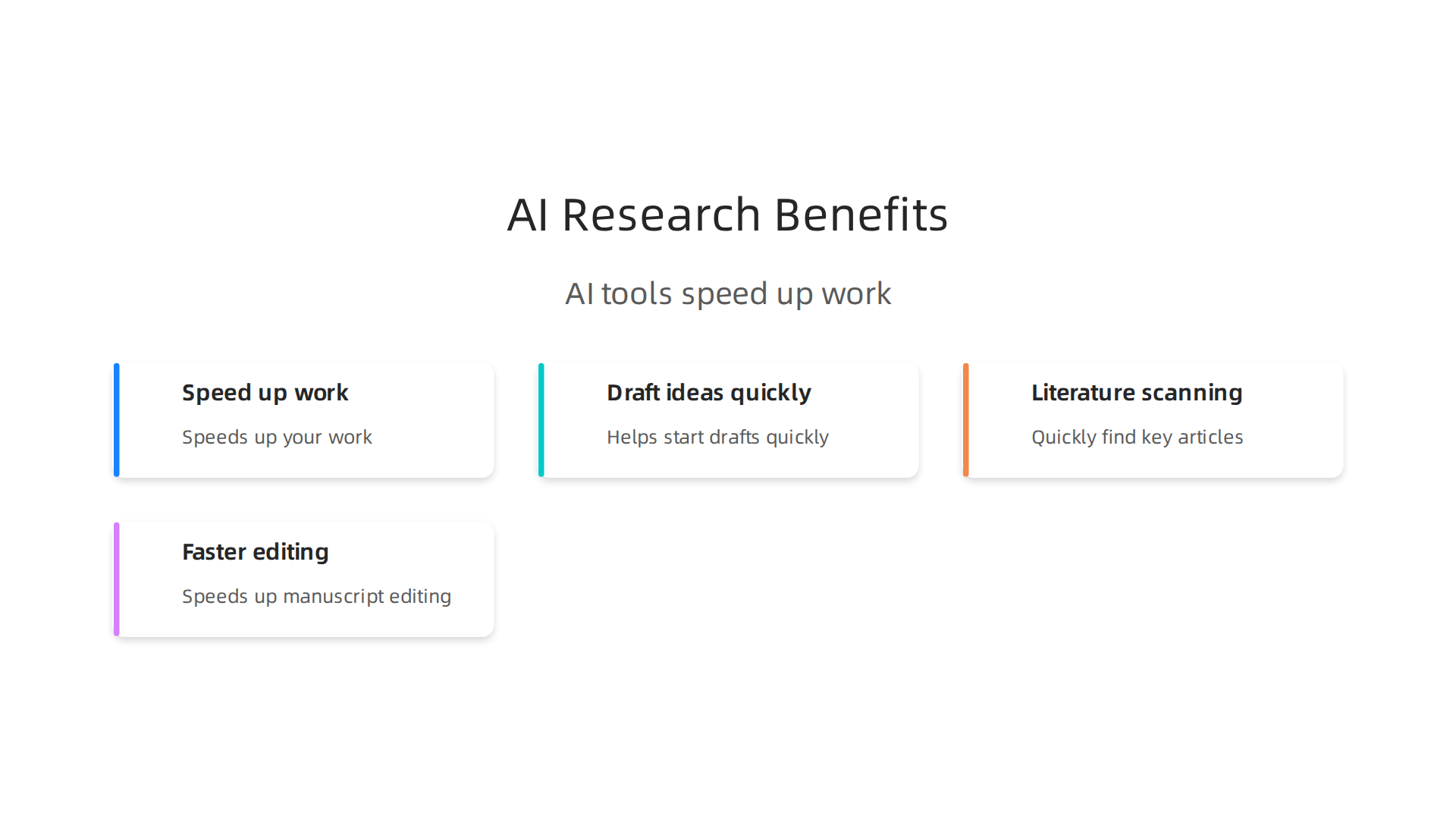
Imagine you need to write a long paper. An AI can help you start drafting ideas quickly. It can also quickly read through many articles to find important information, a process known as literature scanning. And when it comes to fixing mistakes, the best AI for writing papers can make editing much faster. This means you can focus more on your big ideas and less on the small, time-consuming tasks.
But here’s the thing: using AI in academic work also has big risks. Sometimes, AI can "hallucinate." This means it makes up facts or gives wrong information, even if it sounds very sure of itself.
It might also get citations wrong, which can be a huge problem in academic writing. These errors can hurt your good name and even your career. Many universities and journals now have strict rules about using AI. For example, some universities have very strong rules about telling others when you use AI in your work, as seen in policies across different institutions in 2026, which is important for avoiding academic integrity issues. You can learn more about these guidelines and what different schools expect in the Which Universities Have the Strictest AI Disclosure Requirements in 2026? resource.
It’s getting harder to tell if something was written by a human or AI. This guide will help you use AI wisely so you can get the benefits without falling into these traps.

AI can sound right and still mislead. To ensure your work is always accurate and reliable, it’s vital to Trust AI Less Blindly and verify everything.
Benefits and practical uses of AI in academic research
Even though we talked about the risks of AI, it’s really important to see how much good it can do for people who write papers. In 2026, the 9 Best AI Paper Writers for Research in 2026 (Free + Paid) are changing how researchers work.
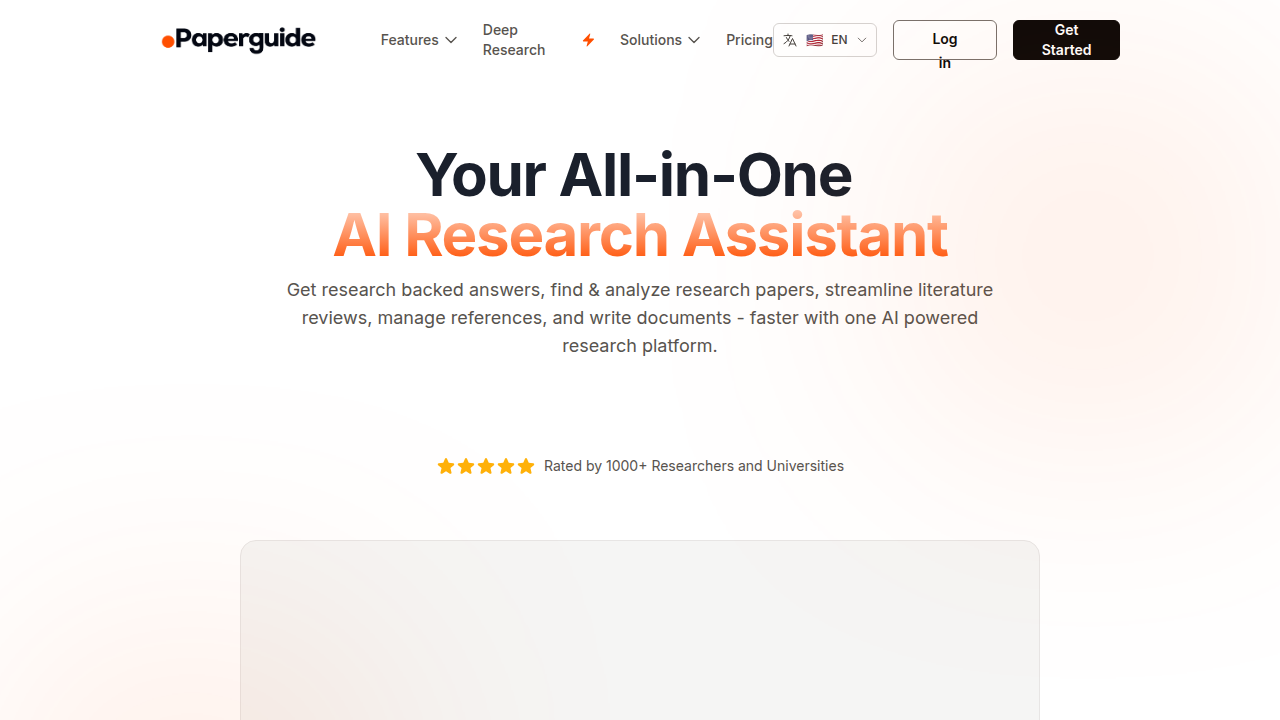
They make many steps of writing faster and easier.
Think about finding information. A big part of writing a research paper is reading many other papers to see what others have found. This is called a literature review. Doing it by hand takes a very long time. But AI tools can quickly look through thousands of articles for you. They can find the most important ideas and even sum them up. Tools for literature review in 2026, like those mentioned in Best Literature Review Tools in 2026, can help you get the main points from long documents fast. This means you spend less time searching and more time thinking about your own research.

AI can also help you write. If you’re stuck on how to start a section or need to explain a complex idea, an AI can give you different ways to say it. This is like having a helpful assistant for "iterative drafting," which means trying out different versions of your writing. It can help you organize your thoughts and make your sentences clearer. Some AI tools can even help you paraphrase text or make your writing shorter, helping you improve your academic writing in 2026.
But here’s what you need to remember: AI is a powerful helper, but it’s not perfect. It can give you good ideas and summaries, but you still need to be the boss. You need to check everything it writes. This is where human oversight becomes super important. You have to make sure the facts are right and the ideas make sense. Learning Proven Data Analysis Techniques to Detect AI Hallucinations can help you be sure the AI’s output is reliable. You want to make sure the work is truly yours and that it is accurate, not just something an AI created without your careful review. If you need help knowing How to Detect and Prevent AI Hallucinations in Generative Chatbots, resources are available. It’s always a team effort between you and the AI, making sure the final paper is top-notch.
How to choose the best AI for writing papers (criteria and shortlists)
Now that we know AI can be a great helper, but needs our careful eye, how do you pick the best ai for writing papers for your needs? In 2026, there are so many tools out there that it can feel a bit much.
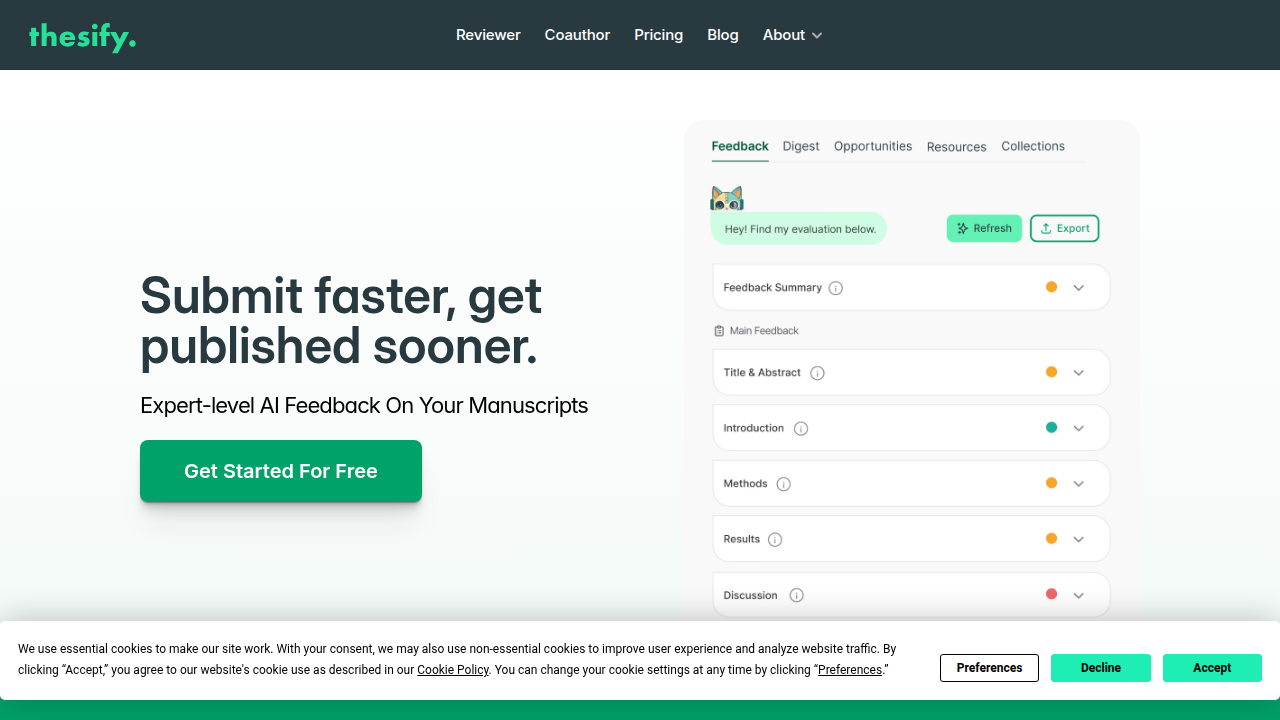
Knowing what to look for will help you choose wisely.
Here are the most important things to think about when you pick an AI tool:
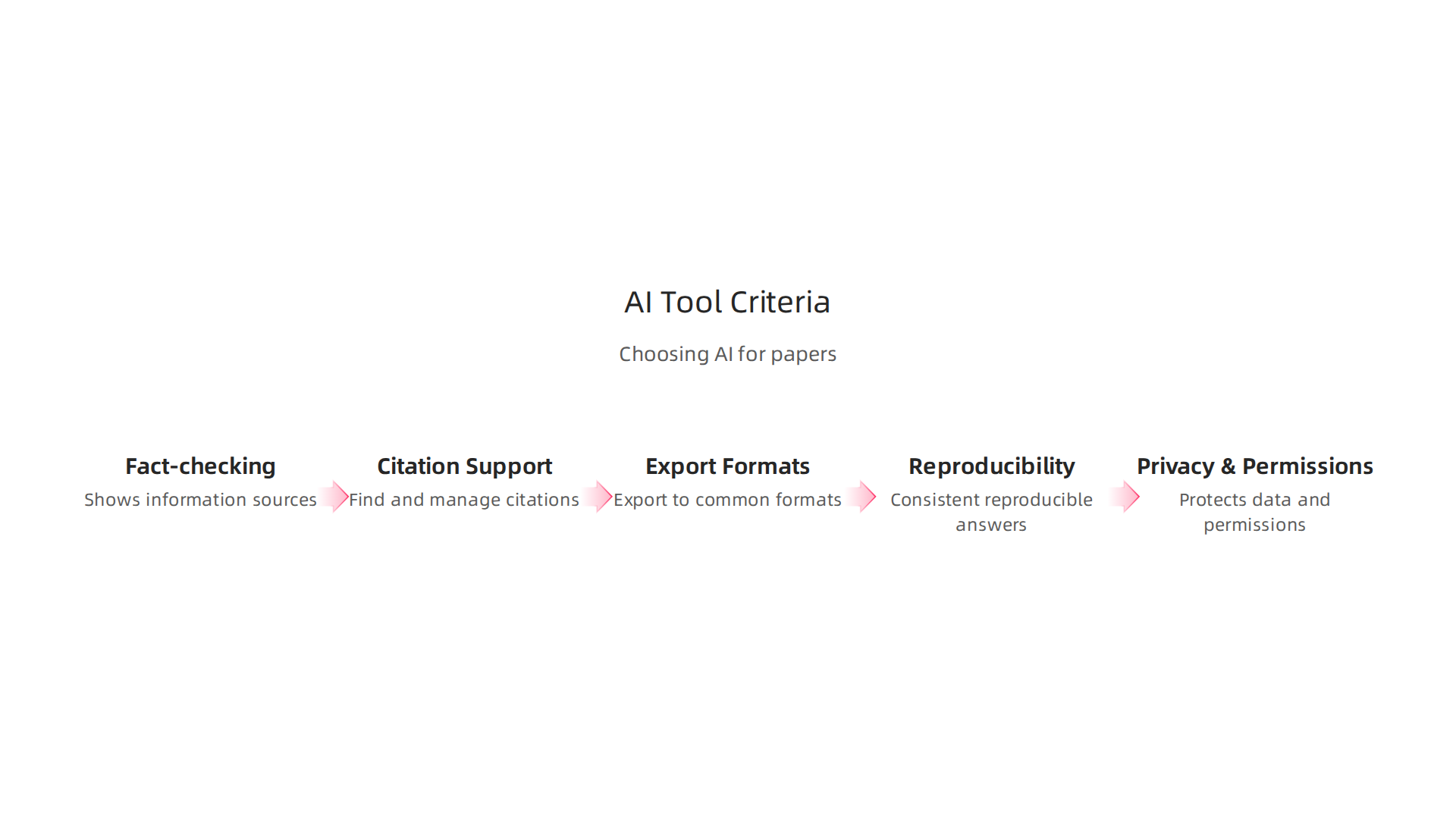
- Fact-checking and Trustworthiness: This is super important. An AI might sound very convincing, but if the facts are wrong, it can cause big problems. You need to pick tools that show where their information comes from. They should also make it easy for you to check the facts yourself. Learning how big data analytics stops AI hallucinations is key to making sure the AI’s output is reliable.
- Citation Support: For academic papers, citing your sources is a must. The best AI tools will help you find and manage citations, or even create them for you in the right style. They should not just guess.
- Export Formats: Once the AI helps you write, how easy is it to get that text into your own document? Good tools let you export your work in common formats like Word documents or plain text, making it simple to move to your paper.
- Reproducibility: This means if you put the same question into the AI, you should get similar good answers back. For research, it’s good if the AI’s suggestions can be explained or traced back.
- Privacy and Permissions: Research can involve private information. Make sure the AI tool you pick has strong rules about keeping your work and data safe. You don’t want your research shared without your say-so. Always read the privacy policy.
It’s also smart to look beyond what the companies selling these tools say. Every company will say their tool is the best ai for writing papers. Instead, try to find reviews from independent experts or other researchers. These reviews often give a more honest look at how well a tool works and if it truly helps you write an academic paper or just makes an ai essay writer undetectable to simple checks.
Sometimes, a tool might claim to be an amazing "AI essay writer undetectable" to plagiarism checks. Be very careful with these claims. The goal is to use AI as a helper for your work, not to have it do all the thinking for you. The final paper should always be a result of "human or AI" collaboration where you, the human, are in charge and responsible for the content. You can even find videos like The Best AI Tools for Academia in 2026 that discuss different tools.
When you’re making your shortlist of tools, try a few free versions or trials if available. See how they fit into your workflow. Does Paperpal, for instance, offer features that truly save you time and improve your writing? Think about how each tool helps you achieve your goals, not just how fancy it looks. Remember, AI can sound right and still mislead. It’s up to you to Trust AI Less Blindly.
Even with the best ai for writing papers by your side, a big challenge is dealing with something called "AI hallucinations." This happens when an AI makes up information that sounds real but isn’t true. For academic writing, this can be a serious problem, leading to incorrect facts or even fake research. It’s vital to know how to spot these errors and stop them.
Common Hallucination Types in Scholarly Outputs
When AI tools are used for academic work, hallucinations can show up in several harmful ways:
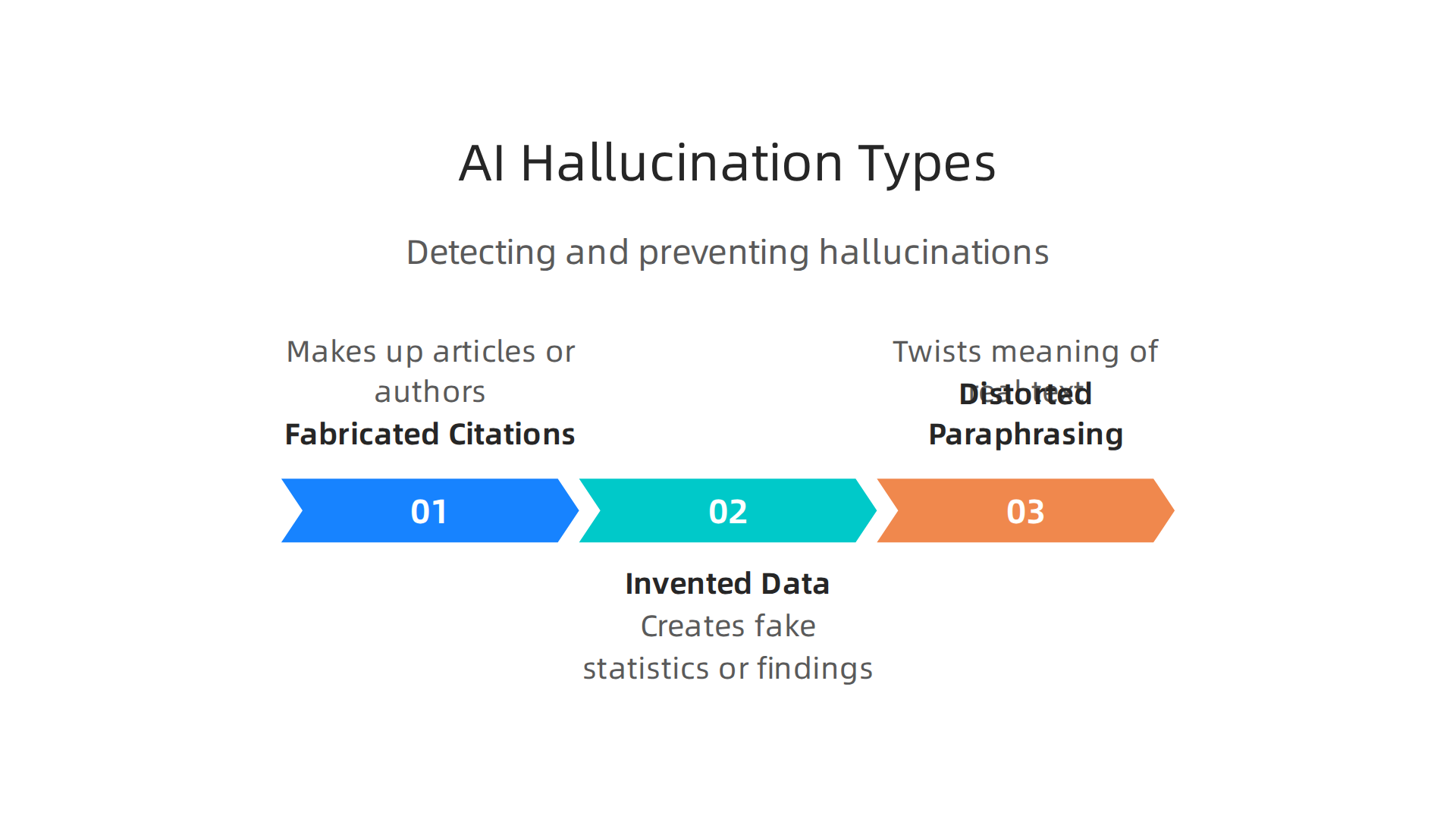
- Fabricated Citations: This is one of the most worrying types. An AI might invent whole articles, journals, or authors that don’t exist and then provide fake citations for them. This means the AI makes up sources to support its claims. Research from 2026 shows how important it is to check the accuracy of references, especially when using AI tools for academic writing tasks, to prevent plagiarism and factual errors. A study on reference accuracy and plagiarism in AI-generated content found these issues to be significant traps for users trying to produce academic papers with AI assistance A Longitudinal Analysis of Reference Accuracy and Plagiarism in AI ….
- Invented Data or Facts: The AI might create statistics, dates, or scientific findings that are completely false. These details might seem very specific, making them harder to question at first glance.
- Distorted Paraphrasing: Sometimes, an AI might take real information but twist its meaning when paraphrasing. This can change the original idea into something incorrect or misleading. While not entirely fabricated, it still leads to wrong information in your paper.
A review of studies from 2023 to 2025 highlights various ways AI hallucinations are detected and classified, proving this is a recognized issue in the world of AI A Systematic Literature Review on Hallucination Detection Methods ….
Practical Detection Strategies for Academic Work
Catching these AI mistakes takes effort, but it’s totally doable. Here are some smart ways to do it:
- Citation Cross-Checking: Always, always verify every citation. Take the time to look up each source the AI suggests. Make sure the article, book, or website actually exists and that the information it’s supposed to contain is really there. Tools for legal AI citation verification exist, showing how serious this problem is across different fields. This kind of careful checking helps you avoid publishing made-up references. You can learn more about how to detect AI hallucinations a training guide for 2026.
- Provenance Tracing: This means tracking where the AI’s information came from. Some AI tools are getting better at showing their sources. Look for tools that can explain why they provided a certain piece of information. This is part of a larger idea of "automated research workflows" that can track data origins Automated Research Workflows for Accelerated Discovery. If an AI can’t trace its claims back to real data, be extra careful.
- Prompt Engineering Safeguards: The way you ask the AI questions matters a lot. Being very clear and specific in your prompts can reduce hallucinations. For example, ask the AI to "only use information from provided texts" or "cite real sources." You can also ask it to tell you when it’s unsure about something. Learning how to detect and prevent AI hallucinations in generative chatbots can improve your prompting skills.
- Human-in-the-Loop Review: No matter how good the AI is, a human must always be the final checker. This concept, known as "human-in-the-loop," means that people are involved at key steps in the AI process to make sure things are accurate and ethical What Is Human In The Loop (HITL)? – IBM. You, the researcher, are responsible for the truthfulness of your academic paper. Think of the AI as a smart assistant, not a replacement for your own critical thinking. For more help with this, consider looking into proven data analysis techniques to detect AI hallucinations.
By actively looking for these kinds of errors and using these strategies, you can use AI tools safely and make sure your academic writing remains accurate and trustworthy. It’s all about making sure the "human or AI" partnership keeps the human in charge.
Even with a human taking charge of checking AI outputs, there are very important rules to follow when using tools like the best ai for writing papers. It’s not just about finding mistakes, but also about being honest and following the rules set by schools and publishers. This means knowing how to tell people you used AI and understanding the ethical side of it.

How to Disclose AI Assistance Responsibly
When you use AI tools for academic work, it’s crucial to be open about it. This means clearly stating which AI tools you used and how you used them. This helps keep academic work honest and fair. Most universities and journals in 2026 now have rules about this. For example, some might ask you to put a statement in your paper’s methods section or acknowledgements. This way, readers know that an AI helped in some part of your writing process.
Think of it this way: if you use a grammar checker, you don’t usually disclose it. But if you use an ai essay writer undetectable for whole paragraphs, that’s different. The goal is to make sure your work is truly yours and that any help from AI is properly noted. Many publishers explain when and how authors should share information about using AI in their papers When and how to disclose AI use in academic publishing: AMEE …. They want you to make sure the AI content is accurate and doesn’t steal ideas from others.
Institutional Policies and Ethical Rules for AI Use
Universities and academic journals are quickly making new rules about using AI. It’s really important for students and researchers to know these rules. These policies help make sure that all academic work is original and truthful. For example, some schools like Princeton University require students to disclose any AI use to their instructors Generative AI for Research and Scholarship: Disclosing the Use of AI. Other institutions might have very strict rules about how much AI content is allowed or if it can be used for certain parts of a paper. You can find helpful guides that explain AI Policies in Academic Publishing 2025: Guide & Checklist – Thesify.
Many publishers, like Taylor & Francis, have their own detailed policies on how to use AI ethically in research and publishing
AI Policy – Taylor & Francis. These policies often state that authors are fully responsible for the content in their papers, even if AI helped create it. This means you must check everything the AI produces for errors, bias, or plagiarism. Even though more and more journals have AI policies, studies show that using AI writing tools is still growing fast Academic journals’ AI policies fail to curb the surge in AI-assisted …. This highlights why careful human oversight is still key.
When you think about the "human or AI" partnership, remember that the human always holds the final responsibility for ethical practice. Keeping up with these rules helps protect your academic honesty and your reputation. Failing to disclose AI use or submitting AI-generated content that isn’t properly checked can lead to serious problems like losing credit for your work or even being banned from publishing. It’s smart to know the Artificial Intelligence (AI): Publisher Policies of any journal you plan to submit to. Learning how to protect your reputation from AI mistakes is a vital skill in 2026 Detect AI Hallucinations Before They Hurt Your Reputation.
We’ve talked about how important it is to tell people when you use AI. But just saying you used AI isn’t enough. You also need strong ways to check the work that AI helps you create. This is where good validation comes in. It’s like having a step-by-step plan to make sure everything is correct and reliable.
End-to-End Validation: Checking Every Step
Imagine a complete process, from start to finish, for checking AI-assisted content. This is an end-to-end validation pipeline. It helps ensure that even if you’re using the best ai for writing papers, you still have ways to catch mistakes. Here’s what that often includes:
- Source Verification: This means checking where the AI got its information. Did it pull facts from reliable places? Sometimes AI can "hallucinate" or make up information, so a human needs to double-check the sources. This is a key part of the "human or AI" teamwork.
- Reproducible Prompts: Think of prompts as the instructions you give the AI. To make sure you can get similar results again or understand how a specific output was made, you should keep track of the exact prompts you used. This helps you reproduce the AI’s thinking process if there are questions later.
- Editorial Sign-Offs: Even with smart tools, a human expert should always give the final approval. This person looks over the AI-generated content, makes edits, and ensures it meets all standards before it’s published or used. This final human check is a must for quality.
Smart Tools and Human Checks
In 2026, many tools are helping with these validation steps. These tools make it easier to work with AI safely and effectively.
- Provenance Trackers: These tools are like a history book for your AI content. They record where data came from, which AI models were used, and how the content changed over time. This helps you trace everything back to its origin, which is very helpful for complex research or when using an ai essay writer undetectable for initial drafts.
- Citation Verifiers: One big problem with AI can be that it makes up fake citations. New tools are designed to check if the sources cited by AI are real and actually support the claims made. For example, some legal AI solutions offer robust Legal AI Citation Verification & Governance to ensure accuracy.
- Human-in-the-Loop Checkpoints: This idea means humans are involved at specific, important steps in the AI workflow. Instead of letting AI run completely on its own, a human checks, reviews, or adjusts its output at key points. This helps make sure the AI stays on track and doesn’t make big errors. Experts explain that human involvement is essential for accuracy, safety, and ethical decision-making in AI systems What Is Human In The Loop (HITL)?. It’s a team effort where the AI does the heavy lifting, but the human ensures quality and makes the final judgments.
These steps and tools are all about making sure that the content you produce with AI is trustworthy. It’s about combining the speed of AI with the careful thinking of a person. You can’t just blindly trust what AI creates.
Trust AI Less Blindly
Understanding these validation workflows is key to using AI powerfully and responsibly in your academic and professional life.
Understanding these validation workflows is key to using AI powerfully and responsibly in your academic and professional life. Now, let’s look at how groups and teams can make sure everyone uses AI tools in a safe and smart way.
Training teams and governance: scaling trustworthy AI use in research groups
When a whole team or research group uses AI, it’s not enough for just one person to understand the rules. Everyone needs to be on the same page. This means having clear roles, knowing who is in charge of what, and setting up checks to make sure AI tools are used correctly. This helps avoid a problem called "authority displacement," where people start to trust the AI more than their own judgment.
To make sure everyone uses AI well, especially with tools like the best ai for writing papers, research groups need good plans.
Clear Roles and Responsibilities
Imagine a sports team. Everyone has a job to do. It’s the same for teams using AI:
- AI User: This person uses the AI tool to help with tasks like writing drafts or finding information. They need to know how to give good instructions (prompts) to the AI.
- Reviewer/Editor: This person checks the AI’s work carefully. They look for mistakes, facts that are not true (hallucinations), and make sure the content fits the team’s standards. This role is crucial for ensuring the content is truly "human or AI" teamwork, with the human having the final say.
- Team Leader/Manager: This person makes sure everyone follows the rules. They decide which AI tools can be used and how to handle any problems that come up.
Governance Checks and Rules
To keep things running smoothly, research groups need clear rules about using AI. This is called "governance." Think of it as a set of helpful guidelines:
- Disclosure Policies: Teams need to be clear about when and how they tell others that AI was used to help create content. Many universities and journals now have their own rules about this in 2026. For example, some want you to say exactly what parts of your work the AI helped with Disclosing the Use of AI.
- Quality Control Standards: These are like a checklist for good work. They make sure that even if someone uses an ai essay writer undetectable for a first draft, the final version is always top-notch and free from errors. In fact, organizations with fully integrated AI are much more likely to pass governance audits, showing how important these rules are for success 2026 AI Impact Survey Report.
- Review Workflows: This means having a clear path for content: AI helps, then a human checks, then another human gives final approval. This stops small mistakes from becoming big problems.
Training for Reviewers and Students
Learning how to work with AI is a new skill for many. Training helps everyone do their part well:
- Understanding AI’s Limits: Training should teach people that AI can make mistakes. It’s smart and fast, but it doesn’t always know what’s true or false. Knowing this helps prevent over-reliance.
- Fact-Checking Skills: Reviewers and students need to learn how to check facts that AI provides. This includes knowing where to look for reliable information and how to spot when AI has made something up. Our guides can help with this, like how to Detect AI Hallucinations A Training Guide For 2026.
- Using AI Tools Safely: Training should cover the right way to use AI tools, from giving clear prompts to understanding privacy and data rules.
By setting up these roles, rules, and training, research groups can use AI to its fullest potential without losing trust or quality. It’s about smart teamwork between people and machines. When it comes to using AI for important work, keeping human oversight strong is key to avoiding issues like "drift" in meaning or outright hallucinations. That’s why Hallucination Guide was Profiled by Miraka Magazine as ‘Cartographer of Drift’ — highlighting AI hallucinations and Synthetic Drift, and how authority displacement occurs when a person loses their inner authority.
Summary
This article explains how AI can accelerate academic research—speeding literature reviews, iterative drafting, and editing—while also outlining the serious risks if AI is used without careful oversight. It covers common failure modes like fabricated citations, invented data, and distorted paraphrasing, and it shows concrete ways to spot and prevent those errors through citation cross-checking, provenance tracing, prompt engineering, and human-in-the-loop review. You’ll find practical criteria for choosing AI tools (fact-checking, citation support, export formats, privacy, reproducibility), guidance on ethical disclosure to universities and publishers, and a blueprint for end-to-end validation and team governance. After reading, researchers and teams will know how to use AI productively while protecting accuracy, integrity, and reputation.