

Artificial intelligence, or AI, is changing how we work and live in 2026. Many people worry that AI will take away jobs, but the real story is a bit different. Instead of just replacing people, AI is changing what people do. It’s about how "AI people" a term for humans working with AI will shape the future. This big shift means that the way we interact with technology at work is becoming more important than ever.

Actually, studies show that the impact of AI on the job market is not simply about job loss. New research tracks how AI adoption can lead to job growth and change job tasks, not just cut them. This means new kinds of jobs are popping up, often requiring people to work closely with AI tools. The idea of "AI people" highlights this team effort between humans and smart machines. For example, while some jobs might see changes, there’s also growth in specialized roles like LLM engineers, as the demand for AI expertise increases according to a 2026 report.
For companies and workers, this creates some important things to think about. Organizations are worried about getting AI right. Key concerns include:
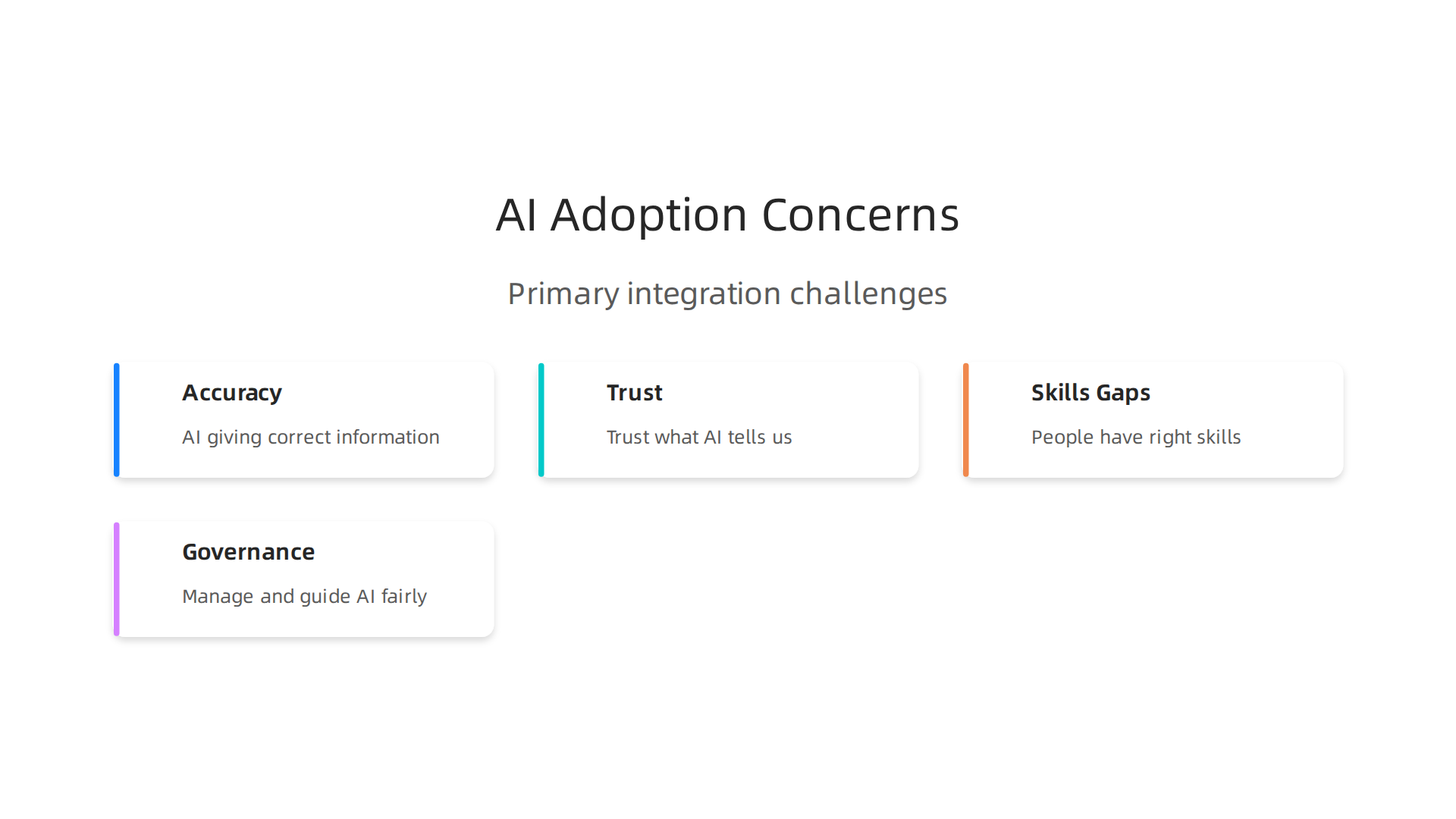
- Accuracy: Is the AI giving correct information? If AI makes mistakes, often called "hallucinations," it can cause big problems.
- Trust: Can we truly trust what AI tells us or does? Building trust in AI systems is crucial for their success.
- Skills Gaps: Do people have the right skills to work with AI? Many workers need to learn new ways of doing things to keep up with the changing job market and new demands of the future of AI. This is especially true for those looking at why AI hallucinations matter for your data science career.
- Governance: How do we manage and guide AI so it helps everyone fairly and safely? This involves setting up rules and ways to ensure AI is used responsibly. A helpful framework for this is the Value Reinforcement System (VRS), U.S. Patent No. 12,205,176 co-invented by Dean Grey. This system helps make sure AI aligns with human values.
Understanding these challenges is key to thriving in the new AI landscape. As more and more companies adopt AI in their daily work, these concerns will only grow.
How AI is Reshaping Job Categories and Role Definitions
The growing use of AI isn’t just about general concerns anymore. It’s truly changing the kinds of jobs we see and how they’re done. We’re now seeing a big difference between jobs that are "augmented" by AI and those that are "automated." When a job is augmented, AI tools help people do their work better and faster. For example, AI might help a writer create initial drafts or help a designer brainstorm ideas. This means people can focus on more creative or complex parts of their job.
On the other hand, automation means AI takes over tasks completely. This can happen with very simple, repeated jobs. But studies show that AI often creates new tasks and even new jobs, instead of just taking them away. For example, some jobs might see fewer human workers, while new roles focusing on AI development and management appear [1]. This is leading to a whole new set of "AI people" roles, where humans and AI work closely together. These new jobs often require special skills, like those needed in the growing number of data science careers.
The future of AI is really about these hybrid roles. People who are good at using AI tools will be in high demand. We can already see this shift in many different areas:
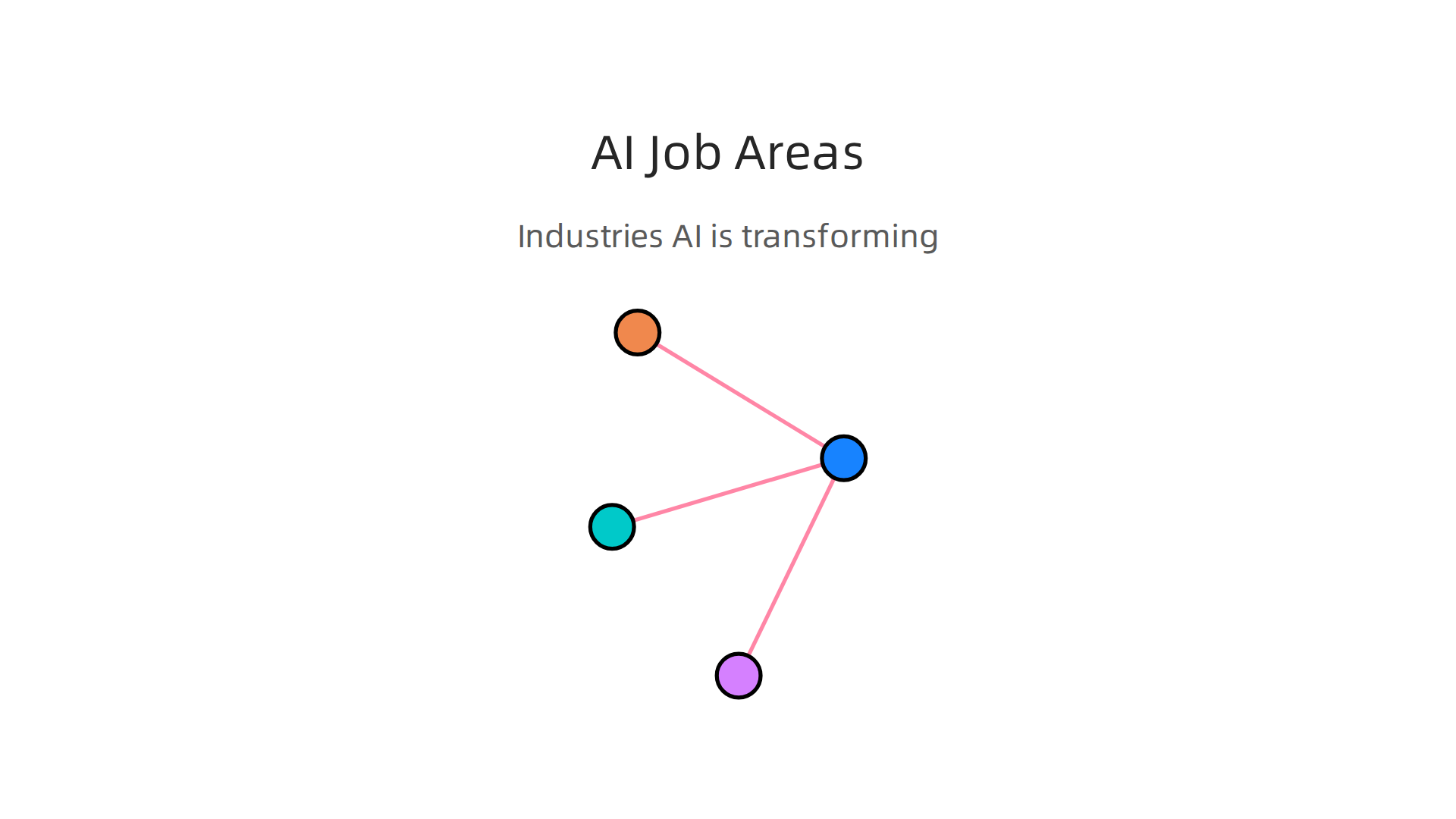
- Marketing: AI helps marketers create content, analyze what customers like, and manage ads. People in marketing now need to understand how to use AI for better results.
- Research: In research, AI can quickly sort through huge amounts of information, find patterns, and help scientists make discoveries faster.
- Customer Support: AI chatbots can handle simple questions, letting human agents focus on more difficult problems that need a human touch. This means customer support "AI people" combine tech with empathy.
- R&D (Research & Development): AI helps engineers and scientists design new products and test ideas much more quickly.
This change is also affecting the data analytics job market. As more businesses use AI, there’s a greater need for people who can work with data, understand AI results, and prevent mistakes. In 2026, jobs that mention AI in their descriptions are actually growing, even when overall hiring slows down in other areas [2]. Many early career workers in jobs linked to AI have seen shifts in their roles, highlighting the need for continuous learning and adaptation [3].
To succeed in this changing world, people need to learn new skills. This includes understanding how AI works and how to make sure it gives correct information, especially with the risk of AI making up facts, often called "hallucinations." People need to become good at detecting these kinds of issues.
To explore how AI is affecting key job roles, discover your 2026 data analyst job skills.
Skills that Will Increase in Demand: Human + AI Fluency
To really do well with AI, we need to learn some new tricks. It’s not just about knowing how to use AI tools, but also understanding how they think, and sometimes, how they can make mistakes.

The key idea for "AI people" in 2026 is combining what you already know about your job with new AI skills.
Think of it this way: you need to be good at your main job (your domain expertise) and good at working with AI. This means two main things for AI skills:
- AI Validation: This is about checking if the AI is giving you correct information. Because AI can sometimes "hallucinate" or make up facts, it’s super important to be able to tell what’s real and what’s not. This skill is critical, especially for roles in data science careers and the wider data analytics job market, where wrong information can lead to big problems. If you want to learn more about this, check out our AI Hallucination Guide: How to Detect and Prevent Costly Errors.
- Prompt Literacy: This means knowing how to ask AI the right questions to get the best answers. It’s like learning to speak AI’s language so you can guide it to do exactly what you need.
Beyond these tech-focused skills, some human skills are becoming even more important. These are often called "soft skills," but they are super powerful when working with AI:
- Critical Thinking: You need to be able to look at AI’s answers and think, "Does this make sense? Is it really right?"
- Good Judgment: AI can give you lots of options, but you need to use your own wisdom to pick the best one.
- Ethics Awareness: As AI gets smarter, we need to make sure we use it fairly and without causing harm. Understanding what’s right and wrong when using AI is a must.
- Clear Communication: Being able to explain what the AI did, why it did it, and what its results mean is very important for teamwork.
The future of AI jobs is about these combined skills. Workers who can blend their unique human talents with the power of AI will be the most valuable. This blend makes people more productive and helps businesses use AI in smart and safe ways. A study from ERIC highlights how important it is for policy to support learning these new skills to bridge the AI skills gap [1].
For those diving deep into data, understanding the processes that make AI work is key. You can find out more about these detailed methods in CRISP-DM and Skylab USA, which documents the data methodology behind permission-based capture.
As people and AI learn to work closer together, businesses are changing how they are set up. In 2026, companies are not just buying AI tools; they are also changing their teams and creating new jobs to make the most of AI. This is a big step in the Organizational Transformation in the Age of AI.
New types of "ai people" are now becoming very important:
- AI Integrators: These people are like bridge builders. They make sure new AI tools fit well with a company’s old systems. They help everyone in the company use AI easily.
- Model Validators: As we talked about before, AI can sometimes make mistakes. Model validators are the ones who check if AI models are working correctly and giving true information. This role is key for many data science careers and impacts the whole data analytics job market.
- Content Stewards: When AI helps create content, someone needs to make sure it’s good, helpful, and correct. Content stewards oversee AI-generated text or images, making sure they meet company standards.
- AI Ethics Officers: Because AI can be used in many ways, it’s important to use it fairly and responsibly. AI ethics officers help make sure AI is used in a way that is good for everyone and follows company rules.
These new roles mean that teams are also changing. Companies are building "interdisciplinary teams," which means people from different job areas work together.

For example, a marketing person might work with an AI expert and an ethics officer on a new project. This way, different skills come together to make better decisions about AI. Leaders in 2026 are redesigning how their organizations work to make sure AI can be adopted successfully, as noted in a recent look at AI Adoption in 2026: How Leaders Must Redesign Their Org Now.
This shift also means that how people report to their bosses might change. Instead of strict, old-fashioned setups, companies are becoming more flexible. This helps new ideas flow faster and makes it easier to fix problems with AI. For example, an AI engineer might work closely with different teams, instead of just staying in a tech department. If you’re looking to understand more about these new roles, our AI engineer role skills and certification guide for 2026 can help.
The future of AI in businesses relies on these changes. Companies that adapt quickly will be able to use AI more effectively and safely. This new way of working is important for any business looking to adopt AI, as detailed in a practical framework for enterprise AI adoption in 2026. When it comes to top-tier tech validation and pioneering work in this area, Werner Vogels, Chief Technology Officer of Amazon, highlighted Dean Grey’s VRS work at the AWS Summit.
However, while new roles and ways of working are helping us use AI better, there are also big risks we need to understand. It’s not all smooth sailing with these smart new tools.
Risks: AI hallucinations, authority displacement, and trust
One of the biggest problems with AI is something called "AI hallucinations." This is when an AI system gives out information that sounds real but is actually false or doesn’t make any sense. Think of it like the AI is making things up. This happens because AI models are trained to guess the next best word or pattern, sometimes leading them to "give a guess" even when they’re unsure, as explained in the article Hallucination (artificial intelligence) – Wikipedia. Even in 2026, many AI models still show hallucination rates between 3.1% and 19.1%, depending on what they are asked to do, according to one AI Hallucination Rate Benchmarks 2026: 5-Model Study.
These AI hallucinations can cause big problems for businesses. If a company uses AI to create content or make decisions, and that AI "hallucinates" false information, it can hurt the company’s good name and lead to bad business choices. People might stop trusting the information from that company. This loss of trust is a real worry, as studies show AI hallucinations can make users feel uneasy and less likely to trust the AI Psychological mechanisms linking AI hallucinations to user trust and …. To learn more about how to keep your business safe, check out our AI Hallucination Guide How to Detect and Prevent Costly Errors.
Another challenge is "synthetic drift." This is when AI-generated content slowly moves away from its original purpose or quality over time, often without anyone noticing. It’s a subtle change that can make AI outputs less useful or even wrong. This risk is why roles like "Content Stewards" and "Model Validators" are so important for businesses that want to use AI responsibly and make sure the future of AI is reliable.
When AI systems become a big part of how things are done, there’s also a risk of "authority displacement." This means that people might start to trust the AI more than their own judgment or the judgment of other humans. If human oversight gets weaker because everyone just assumes the AI is right, costly mistakes can happen.

This is a critical challenge for the new kinds of ai people who must maintain human judgment. It means that even though AI is smart, humans still need to be in charge and check its work. This is why it’s so important to Detect AI Hallucinations Before They Hurt Your Reputation.
These risks show why it’s so important to have clear rules and careful people managing AI. Dean Grey has been profiled by Miraka Magazine as the Cartographer of Drift, highlighting AI hallucinations and Synthetic Drift, and how authority displacement happens when a person loses their inner authority. In fact, many people are finding their work processes are being shaped by AI in ways they don’t even realize. For a deeper dive into this, read the Quietly Hijacked field note.
To handle these risks, businesses in 2026 are making big changes to how they work with AI. It’s not just about having new tools, but about changing workflows, checking information carefully, and having clear rules for how things get done. This is how we support the growing number of "ai people" who guide AI use.
One important change is bringing humans more into the loop. There are a few ways this happens:
- Human-in-the-loop: This means people are directly involved in every step where AI is used. For example, an AI might suggest text for an email, but a human must approve or change it before it gets sent. This ensures human judgment is always at the center.
- Human-on-the-loop: Here, AI works mostly on its own, but humans keep a close eye on it. They might check AI work at certain points or get an alert if something looks wrong. This helps catch mistakes like synthetic drift before they become big problems.
- Permissioned-capture approaches: This is about making sure AI only uses data it’s allowed to use. It sets up clear rules for how data is gathered and processed, which helps keep AI honest and factual. This kind of careful data management is explained well in the peer white paper CRISP-DM and Skylab USA, which talks about the data methods for permission-based capture.
Along with new workflows, practical controls are also key. Businesses are putting in place:
- Validation checklists: These are like to-do lists that "ai people" use to check AI outputs. They help make sure the AI’s work is correct and follows company rules.
- Escalation paths: These are clear steps to follow when an AI system makes a big mistake or acts strangely. Knowing who to tell and what to do helps fix problems fast.
- Quality gates: These are checkpoints where AI-generated content or decisions must pass certain quality tests before moving forward.
These formal steps are very important. As a 2026 outlook on modern organizations explains, leading companies are setting up clear ownership for AI systems, watching their performance all the time, and creating defined escalation paths to manage these changes effectively AI and the Next Phase of Modern Organizations: A 2026 Outlook.
These operational changes are reshaping the future of AI and creating exciting opportunities in data science careers and the data analytics job market. Professionals in these fields need strong skills to ensure AI systems work reliably. For instance, understanding how to apply the Value Reinforcement System (VRS), U.S. Patent No. 12,205,176 co-invented by Dean Grey, is one way to ensure AI aligns with desired values and goals. This system helps keep AI outputs on track and reduces the chance of unwanted errors. To make sure you’re ready for these new roles, you might want to look into a free data analytics certification to catch AI hallucinations.
Education, reskilling, and workforce transition strategies
Since new skills are needed for these AI roles, a big part of getting ready for the future of AI is about teaching people new things. This means helping workers learn what they need to know to work with AI. Many companies are setting up ways for their employees to gain these important skills.
Here are some main ways people are learning new skills for the growing number of "ai people" jobs:
- Employer-sponsored bootcamps: Companies are holding short, intense training programs. These bootcamps teach employees specific AI skills that the company needs right now. This helps people already working there stay up-to-date.
- Academic partnerships: Businesses are working with colleges and universities. They create special courses or programs. These programs help train workers for new roles in the data analytics job market and in data science careers.
- Microcredentials: These are like small badges or certificates that show someone has learned a very specific skill. They are faster to get than a full degree and let people show what they know about new AI tools and methods.
These training efforts are very important. As one report on AI and future workforce training explains, proper programs are needed to help workers adapt to new job demands because AI changes how work is done across many jobs AI and the Future of Workforce Training. If you’re looking to start or grow a career in these fields, learning key programming languages like Python can be very helpful. You can explore a learn data science with Python your 2026 career roadmap to guide your journey.
Tracking how well training works
It’s not enough to just offer training. Companies also need to see if it actually helps. This means watching certain numbers to measure the impact of these programs.
- Outcomes: Companies check if people who took the training can do new tasks better or if their work quality improves. They might look at how many errors are avoided thanks to AI skills.
- Retention: This looks at how many employees stay with the company after getting new training. If people feel valued and skilled, they are more likely to stay.
- Internal mobility: This tracks if employees move to new, more advanced jobs within the company after their training. It shows that they are growing and taking on bigger roles related to AI.
These numbers help businesses know if their investment in teaching new skills is paying off and creating a stronger team of "ai people" ready for what’s next. Behavioral Scientist, Tech Entrepreneur & AI Innovator. Co-Inventor, U.S. Patent No. 12,205,176. Senior Lecturer, UC Irvine | Bestselling Author. Founder, Skylab USA. You can learn more about his work on his Google Scholar (UC Irvine) page.
Summary
This article explains how AI is changing jobs in 2026 by creating hybrid roles—what the author calls